
illuminated shaving mirror
Understanding the Bore Gauge The 18-35mm Measurement Range In the realm of precision engineering and manufacturing, the bore gauge serves as an indispensable tool for quality control, ensuring that cylindrical holes meet specified tolerances and dimensions. Among the various sizes and types of bore gauges available on the market, the 18-35mm bore gauge stands out for its versatility and effectiveness in measuring a range of bore diameters. What is a Bore Gauge? A bore gauge, also known as an internal micrometer or bore dial gauge, is a specialized measuring instrument designed to assess the diameter of cylindrical openings, such as holes in metal parts, engine cylinders, and pipe fittings. The primary purpose of this tool is to provide precise measurements, allowing engineers and machinists to diagnose issues related to hole size, roundness, and taper. Importance of the 18-35mm Range The 18-35mm range is particularly significant in various industries, including automotive manufacturing, aerospace, and heavy machinery. Parts manufactured within these specifications often require tight tolerances to ensure proper function and durability. For example, components in an engine must have precisely machined internal diameters to facilitate seamless assembly and optimal operation. The 18-35mm bore gauge allows professionals to measure these critical dimensions accurately. By ensuring that holes fall within this range, manufacturers can prevent costly errors during the assembly process, which could lead to malfunctions or decreased efficiency of the machinery. How to Use a Bore Gauge Using a bore gauge may seem challenging at first, but with practice, it becomes a straightforward process. Here’s a step-by-step guide on using a bore gauge in the 18-35mm range 1. Preparation Ensure that the bore gauge is clean and calibrated before use. The gauge should be zeroed out to guarantee accurate measurements. bore gauge 18 35mm 2. Insertion Carefully insert the gauge into the bore to be measured. Ensure that the measuring tips are positioned correctly and that the gauge is perpendicular to the bore's axis. 3. Adjusting the Measurement Expand the gauge gently until its measuring tips contact the walls of the bore. Some gauges have a dial indicator that will help you see the size reading more clearly. 4. Reading the Measurement Once the gauge is set, read the measurement directly from the scale or dial. Repeat the process at multiple depths within the bore to check for consistency, as this may reveal issues like tapering or cylindricity. 5. Recording Results Finally, record all measurements for further analysis. In a quality control setting, these records are essential for maintaining manufacturing standards. Benefits of Using a Bore Gauge One of the most significant advantages of using a bore gauge in the 18-35mm range is its capacity for precision. Unlike other measuring tools that may only provide approximate readings, the bore gauge delivers reliable and accurate results, which are critical in high-stakes environments. Furthermore, bore gauges come in various styles, including digital versions that offer enhanced readability and data storage features, making it easier to track measurements over time. This technological advancement increases efficiency and reduces human error during inspections. Conclusion In summary, the bore gauge, particularly in the 18-35mm range, plays a critical role in modern manufacturing and engineering. Its ability to provide precise measurements ensures that products meet the stringent quality standards expected in today’s competitive market. By understanding and utilizing this essential tool, engineers and machinists can significantly enhance the reliability and performance of their mechanical components, ultimately leading to greater customer satisfaction and operational success.
about
illuminated shaving mirror
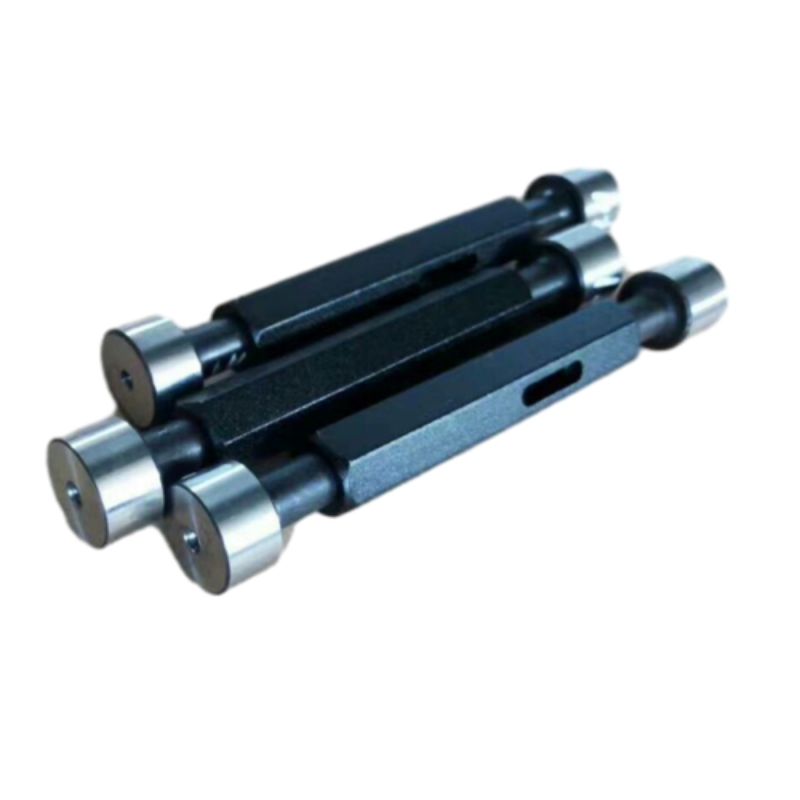
Understanding Gauge Pin Class A Technical Overview In the realm of manufacturing and quality assurance, precision is non-negotiable. One of the key tools used to ensure this precision is the gauge pin. These small, cylindrical tools may seem simple, but their role in measuring and checking the accuracy of dimensions in manufactured parts is monumental. Among various specifications, the concept of gauge pin class plays a crucial role in defining the application, quality, and performance of gauge pins. What is a Gauge Pin? A gauge pin is a precisely manufactured pin used to measure or control the size and location of holes, slots, or other features. Typically made from hardened steel or alloy, gauge pins are available in various diameters and lengths to accommodate different tasks. They are often categorized based on their tolerances, which are the permissible limits of variation in a physical dimension. The Importance of Classifying Gauge Pins Gauge pins are classified based on their dimensional accuracy and tolerance levels, which are essential in applications requiring high precision. The classification helps manufacturers choose the right gauge pin based on the specific needs of their projects. The most common types of gauge pin classes include 1. Go Pins and No-Go Pins - Go pins are used to check whether a hole or feature is of the correct size. If the go pin fits, the feature passes the test. - No-go pins, on the other hand, verify that the feature does not exceed a certain size. If the no-go pin fits, the feature is too large and fails the inspection. 2. Grade Pins - Gauge pins are often graded based on their manufacturing quality. The grading system can vary by region but typically includes classes such as ANSI (American National Standards Institute) grades or ISO (International Organization for Standardization) tolerances. 3. Material Classes - Different materials offer varying levels of hardness, corrosion resistance, and wear resistance . The selection of material class for gauge pins can affect the longevity and accuracy of the measurements taken. gauge pin class Understanding Tolerances Each gauge pin class comes with specific tolerances, which dictate the allowable variations from the nominal size. These tolerances are crucial because different applications require different levels of precision. For example, in aerospace or medical device manufacturing, tighter tolerances are often necessary due to the critical nature of the components involved. Manufacturers must choose gauge pins with tolerances appropriate for the required application to ensure reliability and safety. Applications of Gauge Pins The applications of gauge pins are far-reaching across various industries. In automotive manufacturing, gauge pins ensure that critical holes align for engine assembly, while in the electronics sector, they help verify the dimensions of circuit boards and connectors. In mold and die manufacturing, gauge pins are essential for ensuring that components fit together seamlessly during assembly. Selecting the Right Gauge Pin Class When selecting the appropriate gauge pin class, manufacturers must consider several factors, including - Measurement Requirements Understanding the tolerance requirements for the specific application will guide the selection of go or no-go pins. - Material Compatibility Choosing the right material ensures that gauge pins can withstand the operating environment without degrading or losing accuracy. - Cost Considerations Higher precision often comes with a higher price point, so manufacturers must balance quality requirements with budget constraints. Conclusion In manufacturing, the significance of gauge pins and their classification cannot be overstated. By understanding gauge pin classes, manufacturers can ensure that they select the appropriate tools for their measuring and inspection needs. This not only enhances precision but also improves the overall quality of the final product. As industries continue to evolve and demand higher accuracy, the importance of gauge pin classes will remain a cornerstone of quality assurance in manufacturing processes. Embracing these precision tools is essential for organizations striving for excellence in today’s competitive environment.
-

High quality industrial productsagement

High quality industrial products
View Details -

Meet the diverse needs of customers

Meet the diverse needs of customers
View Details -

Strict quality control

Strict quality control
View Details -

Top raw materials

Top raw materials
View Details -

Trusted supplier

Trusted supplier
View Details
Our application

news and information

Welding Fabrication Techniques for Efficient Metalworking Projects
Understanding Welding Fabrication A Comprehensive Overview Welding fabrication is an essential part
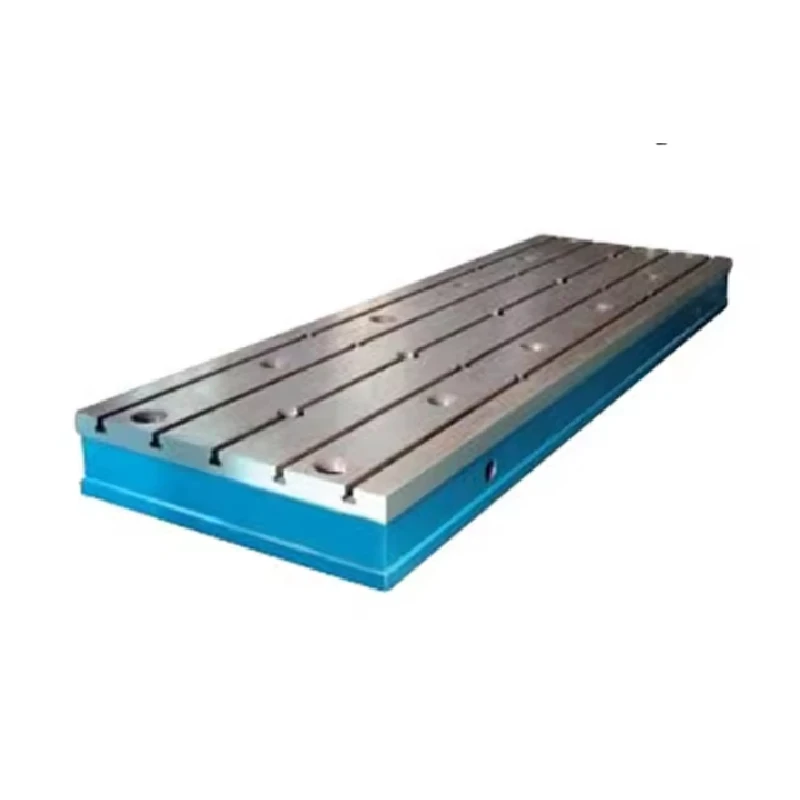
Welding Table Cast Iron Heat Resistance
In the realm of welding, the welding table serves as a crucial foundation for all operations. Among
Utilisation du niveau spirituel
L'utilisation du niveau à bulle un outil essentiel pour la précision dans la construction Le niveau
 English